

What Are the Benefits of an Internship?
A great way to gain experience in a career field is through an internship. It allows you to see if you’re actually interested in the work and whether it’s right for you.
Internships can also help you build your resume and get your foot in the door with a company. Having real-world experience shows hiring managers that you’re a hard worker, dedicated to your goals, and committed to getting the job done.
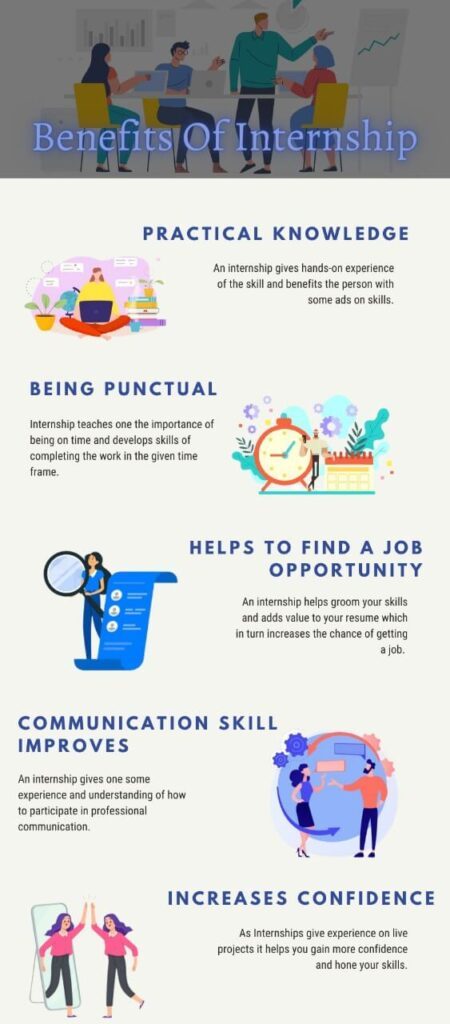
1. Gain real-world experience
An internship is an excellent way to gain work experience that will help you get a job in your desired industry. This will help you stand out from other job applicants and will also be a great way to build your resume. Internships can be completed part-time or full-time, depending on your schedule.
In today’s competitive market, employers are looking for candidates who have real-world experience in their fields of interest. This is why internships are important for students.
For students who are still figuring out their majors and career interests, internships can help them figure out what they want to do. They can see if their chosen field is a good fit for their personality, lifestyle and passions. It can also help them decide if a certain career is worth investing time and money to train for.
By working side-by-side with experienced professionals, an intern will be able to find out if they like the field or not. If they don’t, they will be able to make decisions about whether or not the career is right for them and what they can do to change it.
If you’re in college, internships can also be a way to fulfill college requirements. They can give you work experience that will look great on your resume and are an effective way to earn credit for your degree.
Another benefit of an internship is that it can help you determine if a career is a good match for your personality and lifestyle. Often, students will discover that a particular career isn’t really the right fit for them. This can allow them to avoid spending their entire life training for a career that isn’t right for them and can save them money in the long run.
2. Build your resume
An internship is a great way to build your resume and show employers that you’re a capable, reliable candidate. It also helps you determine whether a specific career path is right for you and your goals.
Before you apply for an internship, look at the job description and figure out what it is that they’re looking for. That way, you can focus on those skills that are most important to the position and tailor your resume accordingly.
Once you have an idea of what to include, it’s time to start writing. Be sure to have a professional cover letter and leave out references unless the company requests them (they’re not usually needed).
Create a section below your work experience that describes any valuable skills you might have gained from the internship such as language proficiency, knowledge of a particular protocol or process, familiarity with an important government policy or regulation in your career field, or any skills developed in the use of industry tools.
Next, make sure to highlight any extracurricular activities and clubs that have shown that you are a hard worker. These are the most important aspects of your resume and will give an employer an idea of how much work you can put in and what your personality is like.
In addition to that, consider highlighting any internships you may have done in the past. They’re a good place to flex your leadership and team-building abilities.
While you’re at it, don’t forget to write a recommendation letter if the internship didn’t lead to a job offer. This can be a powerful tool for your future career and help you land that full-time position you’ve been dreaming of!
3. Learn new skills
One of the biggest benefits of an internship is that you’ll be able to learn new skills. These skills will help you succeed in your career and can be invaluable if you decide to pursue a full-time position at a company.
You’ll also learn skills that can be helpful in any career, such as time management and communication. These skills are especially important to employers as they need candidates who can manage their time effectively and produce quality work.
During an internship, you’ll be tasked with tasks that will require you to communicate in different ways, whether via email, phone calls or face-to-face meetings. You’ll learn to communicate in a way that’s clear, concise and effective.
Another valuable skill you’ll learn during an internship is problem-solving. Interns are often tasked with solving problems with limited information at the beginning of their internships, which requires them to develop solutions on their own.
The workplace can be a fast-changing environment, which means you’ll have to be adaptable and resilient during your internship. This can include adjusting to new schedules, meeting deadlines and adapting your approach to work when a project goes awry.
Developing this skill will make you more flexible as a worker and will prepare you for any changes you may experience in your career. It’s also a great way to figure out what kind of work ethic you prefer and which types of jobs you enjoy most.
4. Network with industry leaders
In addition to the real-world experience an internship provides, it can also help you network with industry leaders. These individuals will likely be able to give you advice and point you in the right direction when it comes to career advancement. They may even be able to offer you a job opportunity once you have completed your internship.
According to a survey by NACE, nearly eight in ten companies extend job offers to their interns. These jobs can be very lucrative and provide a stable income.
Interns often come from a wide range of backgrounds, with various skills and experience levels. This diversity helps businesses in a variety of industries as it can provide different perspectives that drive innovation and productivity.
Moreover, many interns have positive work attitudes and hard work ethic, which can make them attractive candidates for full-time positions. Managers can use this information to recommend candidates with potential for success in a permanent role.
A good way to network is to join professional groups aimed at helping you advance your career and grow your business connections. You can find these groups through online searches or by asking friends and colleagues about them.
Then, make it a point to participate in social hours or events that encourage networking, like panels and webinars. These events are an excellent opportunity to meet people who have similar interests and who can help you learn more about the industry you want to work in.
It is important to remember that the job market is always competitive, and a great internship can be the perfect step in your career journey. It can help you build your resume, give you the experience that will set you apart from other job applicants and even provide a job offer once you have completed your internship.
5. Get a job offer
In the current job market, internships are a great way to stand out from the crowd and increase your chances of getting a job offer. Not only do they provide you with real-world experience, but they also allow you to learn from professional mentors, which can help you get a better idea of what you’re really looking for in a career.
It’s also a good idea to do more than just the required tasks for your internship, which can help you build up references and a positive impression that could lead to a full-time offer later on in your career. According to TopResume career expert Amanda Augustine, interns who take on more responsibility than is expected in their position have a better chance of landing a full-time job because they show that they are capable of working hard and are prepared to put in extra time.
Another benefit of an internship is that it can help you figure out what you don’t like about a field or industry. This gives you the chance to decide whether it’s a good fit for you or not before you begin your career search.
If you do decide to accept an internship offer, be sure to take the time to evaluate all the aspects of the job and consider any benefits or perks the company may offer. This will make you more confident about the decision and will help you feel comfortable with it.
When you get a job offer, be sure to thank the employer for their interest and let them know how much you appreciate it. If you think the offer isn’t a good fit for you, you can always decline it. But it’s important to be thankful for the opportunity and to remain professional, even if you do decide to accept it.